



The Need for Strong Endpoint Protection in Today’s Digital Landscape

In today’s interconnected world, securing your business from cyber threats is no longer optional—it’s a necessity. Endpoint protection is a critical layer of defense for protecting devices such as laptops, smartphones, tablets, and point-of-sale (POS) systems. This blog will explain what endpoint security is, why it matters, and how it can shield your organization from costly security breaches.
What is Endpoint Security?
Endpoint security refers to the process of safeguarding devices connected to a network—known as endpoints—from cyber threats. These endpoints often serve as entry points for hackers attempting to infiltrate your network.
Unlike traditional security measures that focus on the network as a whole, endpoint security zeroes in on individual devices, ensuring each one is secure. Endpoint protection software is designed to detect, analyze, block, and contain potential threats before they can harm your network.
Examples of Endpoints That Need Protection
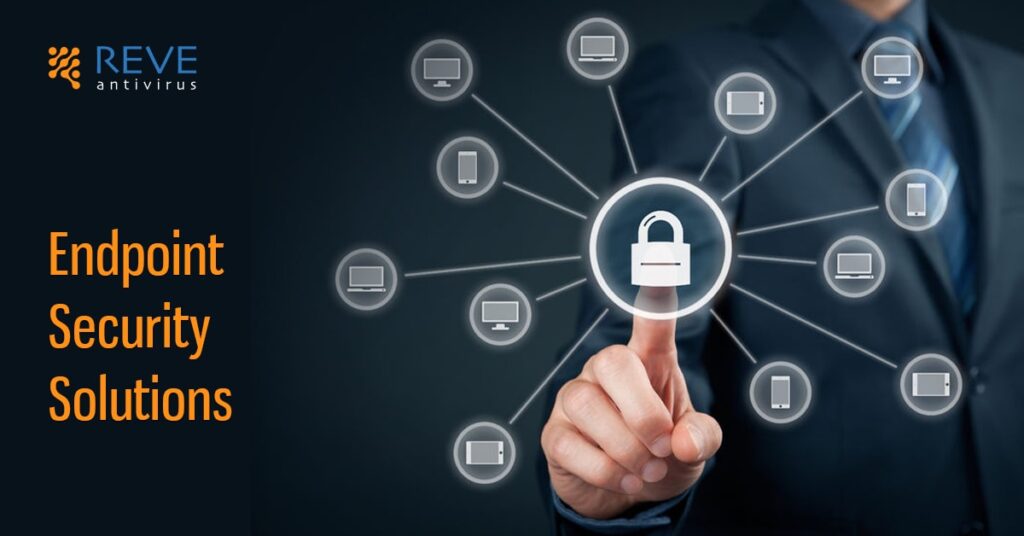
Laptops and Desktops: Often used for business operations and store sensitive company data.
Smartphones and Tablets: Increasingly used for work and frequently connected to corporate networks.
Point-of-Sale (POS) Systems: Essential for retail businesses and a common target for hackers due to the financial data they handle.
Why is Endpoint Security Important?
Defends Against Advanced Cyber Threats
With threats like ransomware, phishing, and zero-day attacks on the rise, securing devices ensures they are protected from potential vulnerabilities.
Protects Remote Workforces
Remote and hybrid work environments have expanded the attack surface for cybercriminals. Endpoint protection protects employees working from home or other locations.
Safeguards Sensitive Data
Devices store critical information like customer data, payment details, and intellectual property. Endpoint protection ensures that data stays secure, even if a device is lost or stolen.
Compliance with Industry Regulations
Many industries, such as healthcare and finance, require businesses to follow strict data security regulations. Endpoint security helps businesses stay compliant by protecting sensitive information.
Key Features of Endpoint Security Solutions
Antivirus and Anti-Malware Protection: Scans devices to detect and eliminate malicious software.
Data Encryption: Ensures sensitive data is unreadable to unauthorized users.
Firewall Protection: Blocks unauthorized access and secures network traffic.
Device Control: Prevents unauthorized devices from connecting to the network.
Threat Detection and Response: Identifies and neutralizes threats in real-time.

Best Practices for Endpoint Security
Keep Software Updated
Regularly update all software and operating systems to patch known vulnerabilities.
Implement Multi-Factor Authentication (MFA)
Add an extra layer of security to prevent unauthorized access.
Educate Employees
Train staff to recognize phishing attempts and practice good cybersecurity hygiene.
Use Managed Endpoint Security Solutions
Leverage professional tools to monitor and protect devices across your network.
Final Thoughts on the Importance of Endpoint Security
Endpoint security is a vital component of any cybersecurity strategy, especially as businesses rely on a variety of devices to stay connected and productive. By securing your endpoints, you protect your organization from costly breaches, ensure compliance, and provide peace of mind for both employees and customers.
Investing in the right protection solutions is not just a smart decision—it’s a necessary one in today’s threat landscape.
Ready to Protect Your Devices? Contact Us Now
Need help securing your endpoints? Contact us today to explore robust endpoint security solutions tailored to your business.

Contact us now: https://wa.me/263785978420