



Top 5 threats to website security in 2024 pose significant risks to businesses, making robust security measures essential. As cyberattacks grow more sophisticated, staying vigilant is key to protecting your website and data
1. Phishing attacks
What It Is:
Phishing remains one of the most common and dangerous threats. Cybercriminals impersonate trusted entities to trick users into revealing sensitive information, such as passwords or credit card details.
Why It’s a Threat in 2024:
- AI-generated phishing emails and websites are becoming harder to detect.
- Mobile-first phishing campaigns target users through SMS and messaging apps.
How to Protect Yourself:
- Train employees and users to recognize phishing attempts.
- Use email security tools to block suspicious emails.
- Implement multi-factor authentication (MFA).
2. Ransomware Attacks
What It Is:
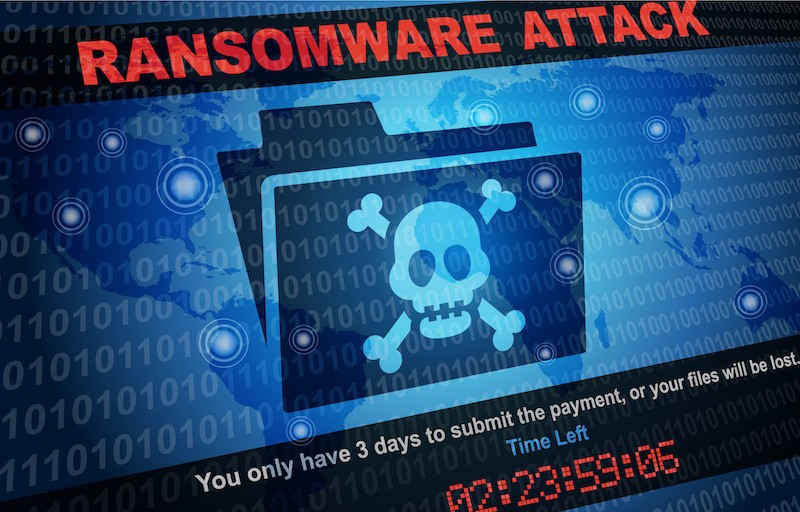
Ransomware encrypts your website data and demands payment for its release. This can cripple businesses, especially small to medium-sized ones without robust backups.
Why It’s a Threat in 2024:
- Ransomware-as-a-Service (RaaS) makes it easy for inexperienced hackers to launch attacks.
- Attackers are targeting backups to increase leverage.
How to Protect Yourself:
- Use strong access controls to limit unauthorized entry.
- Regularly back up your website data to secure, offsite locations.
- Use strong access controls to limit unauthorized entry.
3. Vulnerabilities in Third-Party Plugins and Themes
What It Is:
Outdated or poorly coded third-party plugins and themes can act as entry points for hackers.
Why It’s a Threat in 2024:
- Popular platforms like WordPress rely heavily on plugins, increasing the risk of exploitation.
- Automated bots actively scan for known vulnerabilities in widely used plugins.
How to Protect Yourself:
- How to Protect Yourself:
- Regularly update all plugins and themes.
- Perform security audits to identify weaknesses.
4. Distributed Denial-of-Service (DDoS) Attacks
What It Is:
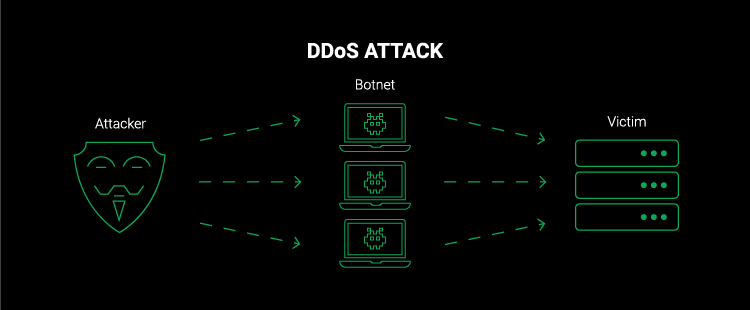
DDoS attacks overwhelm your website with traffic, making it inaccessible to legitimate users.
Why It’s a Threat in 2024:
- IoT devices are being hijacked for large-scale botnets.
- Sophisticated attacks now target specific website resources, making mitigation harder.
How to Protect Yourself:
- Implement rate-limiting to prevent abuse.
- Use a content delivery network (CDN) with built-in DDoS protection.
- Monitor traffic patterns to detect unusual activity early
5. Weak Passwords and Credential Stuffing
What It Is:
Hackers exploit weak or reused passwords to gain unauthorized access to websites. Credential stuffing involves using stolen login details from data breaches to target other sites.
Why It’s a Threat in 2024:
- The increasing number of data breaches fuels credential-stuffing attacks.
- Many users still use weak, easily guessable passwords
How to Protect Yourself:
- Enforce strong password policies.
- Encourage or require the use of password managers.
- Implement MFA for an added layer of security.
Securing Your Digital Future in 2024
Your website’s security is a cornerstone of your digital success. As cyber threats evolve, staying informed and proactive is no longer optional—it’s essential. By addressing these top threats and implementing robust security measures, you not only protect your business but also build trust with your audience. Stay ahead, stay secure, and make 2024 a year of fortified digital growth.
Don’t let your website become a target! Contact us today for a comprehensive website security audit and ensure your business stays protected in 2024.