



Understanding the Threat Landscape
Point of Sale (POS) systems are essential tools for businesses in retail, hospitality, and other sectors, facilitating seamless transactions and customer service. However, POS systems security has become a critical concern as these systems process sensitive customer data. Hackers increasingly target POS systems, exploiting vulnerabilities that can lead to severe data breaches. In this blog, we will discuss the key vulnerabilities in POS systems security and how to improve their defenses against cyber threats.
In this blog, we explore the vulnerabilities in POS systems and provide actionable steps to secure them effectively.
What Are POS Systems?
A Point of Sale (POS) system combines hardware and software to process transactions. These systems manage sales, payments, and inventory, playing a vital role in business operations.
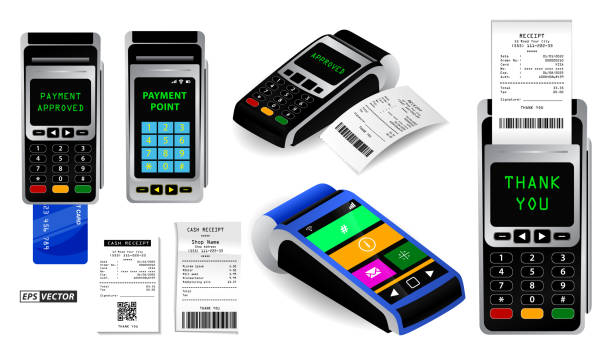
Key Components of a POS System:
Hardware: Includes devices like cash registers, card readers, barcode scanners, and receipt printers.
Software: Manages transaction processing, inventory tracking, and sales reporting.
Common Use Cases:
POS systems are used in retail stores, restaurants, hotels, and other businesses to facilitate fast and efficient customer transactions.
Modern POS Systems:
Many modern POS systems are cloud-based, allowing businesses to manage operations remotely and integrate additional features like customer relationship management (CRM) and analytics.
While POS systems are indispensable for business operations, their interconnected nature and role in processing sensitive data make them attractive targets for cybercriminals.
Why Are POS Systems a Target for Hackers?
Sensitive Data Handling
Hackers exploit critical customer information, such as credit card numbers, that POS systems process for financial gain.
Internet Connectivity
Most modern POS systems are connected to the internet. Consequently, this connectivity creates vulnerabilities, allowing hackers to launch remote attacks.
Neglected Security
Businesses often focus on securing traditional IT systems, but they frequently neglect POS systems, leaving them outdated or inadequately protected.

Common Vulnerabilities in POS Systems
Weak Passwords
Many businesses fail to change default passwords or use weak ones, which makes it easier for hackers to gain unauthorized access.
Unpatched Software
Hackers frequently exploit known vulnerabilities in outdated POS software. By failing to update or patch these systems, businesses increase their risk of breaches.
Unencrypted Data
Without encryption, sensitive information like credit card details can be intercepted during transmission.
Outdated Hardware
Legacy POS hardware often lacks the necessary defenses against modern cyberattacks.
Third-Party Integrations
POS systems are often linked to third-party applications, which can become entry points for cyber threats.
Physical Attacks
Attackers can install skimmers or tamper with hardware directly to steal customer data.
How to Strengthen Your POS Systems Security: Best Practices and Tips
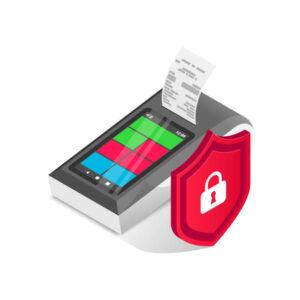
Update Software and Firmware – Regularly update POS systems to patch known vulnerabilities. Ensure that all software, including third-party integrations, stays up to date.
Enforce Strong Password Policies – Replace default passwords with complex ones and update them periodically to minimize unauthorized access.
Implement Data Encryption – Use strong encryption protocols to secure sensitive data in transit and at rest.
Network Segmentation – Isolate POS systems from the rest of your business network to reduce the risk of lateral movement in the event of a breach.
Monitor for Suspicious Activity – Deploy intrusion detection systems to identify anomalies and conduct regular audits to spot vulnerabilities.
Invest in Endpoint Security Solutions – Use advanced security tools to protect POS systems from malware, ransomware, and unauthorized access.
Train Employees – Educate staff about cybersecurity threats, such as phishing scams, and enforce adherence to security protocols.
Secure Physical Access – Restrict physical access to POS terminals and inspect hardware regularly for signs of tampering or skimming devices.
Case Study: Real-Life Impact of POS System Breaches
In 2014, attackers installed malware on the POS systems of a major retail chain, stealing millions of credit card numbers. The breach caused financial losses, reputational damage, and regulatory penalties.
This highlights the severe consequences of neglecting POS system security and emphasizes the need for proactive measures.
Final Thoughts: Enhancing POS Systems Security for Long-Term Protection
POS systems are crucial to daily business operations. However, businesses often overlook them as potential entry points for hackers, which increases the risk of cyberattacks. By addressing vulnerabilities and implementing robust security measures, businesses can protect sensitive customer data, avoid costly breaches, and maintain customer trust.
Take action today: Audit your POS systems, implement the necessary security measures, and ensure your business stays one step ahead of cyber threats.
Need assistance securing your POS system? Contact our team of cybersecurity experts to help protect your business from cyber threats.