



How Schools Can Save Time and Money With Digital Report Cards and Assessments

Creating and managing report cards has long been a daunting challenge for schools. Traditional methods consume time, invite errors, and increase operational costs. However, modern technology now offers a streamlined solution: digital report cards and assessments. By embracing digital tools, schools can significantly improve efficiency, accuracy, and cost savings.
🎯 Challenges Schools Face With Traditional Report Cards
Relying on manual systems often creates multiple challenges:

- Time-Consuming Processes: Teachers spend countless hours calculating grades and formatting reports.
- Higher Risk of Errors: Manual data entry frequently leads to miscalculations and inconsistencies.
- Excessive Costs: Schools incur significant expenses for printing, paper, and distribution.
- Limited Flexibility: Correcting errors or editing reports becomes a time-intensive process.
Clearly, these hurdles drain valuable resources that could otherwise be used for educational priorities.
🚀 Why Digital Report Cards Are the Perfect Solution
Switching to digital report cards solves these inefficiencies while offering several key benefits:
1. Save Time Through Automation
Automation revolutionizes report generation. Teachers no longer need to manually calculate grades or format documents. Instead, they simply input scores into the system, and reports are generated in minutes.
In addition, pre-designed templates ensure consistency across all reports, saving time for educators and administrators alike. Furthermore, this allows teachers to focus more on student engagement and lesson planning.
2. Cut Costs by Going Paperless
Traditional report cards require significant resources—paper, printing, and distribution all add up. By switching to digital solutions, schools can eliminate these expenses entirely. Reports can be shared electronically via email or secure portals, which further reduces logistical costs.
As a result, schools save thousands annually, funds that can then be redirected toward educational improvements such as new learning tools or training programs.
3. Ensure Accurate Results
Mistakes in report cards undermine trust and cause unnecessary confusion. Fortunately, digital tools minimize human error by automating calculations. Whether it’s grades, comments, or attendance data, reports remain accurate and error-free.
Moreover, automated systems offer real-time checks and validations. This further ensures precision in every report while allowing teachers to confidently submit final results.
4. Improve Accessibility for Parents and Administrators
Another significant advantage of digital report cards is accessibility. Parents can view their children’s progress instantly via secure online portals or email. Administrators, on the other hand, can easily retrieve and review reports without sifting through piles of paper.
Consequently, this level of convenience enhances communication between schools and families. Additionally, parents can track student performance over time, fostering greater involvement in their children’s education.
5. Promote Environmental Sustainability

Switching to digital report cards isn’t just practical—it’s environmentally responsible. Schools can drastically reduce their carbon footprint by eliminating paper use. At the same time, parents no longer have to worry about misplaced or damaged physical reports.
By reducing waste, schools contribute to a healthier planet. This sustainable approach also aligns with modern expectations for eco-friendly practices in education.
🌟 Measurable Benefits of Digital Report Cards
The impact of going digital is undeniable:
✅ 60% faster report generation, freeing up teacher and admin time.
✅ 50% cost savings on printing and distribution expenses.
✅ Zero errors due to automated data handling.
These figures clearly highlight how digital systems transform school efficiency and save money. Additionally, schools experience improved workflows and more organized record-keeping.
🛠 How Do Digital Report Cards Work?
Transitioning to a digital system is remarkably simple and user-friendly:
- Input Data: Teachers upload grades, comments, and attendance details.
- Generate Reports: The system automatically formats and calculates all data.
- Share Reports: Reports are delivered securely via email or online platforms.
Ultimately, this streamlined process minimizes manual work, ensuring that professional, polished reports are ready in minutes. Additionally, teachers gain peace of mind knowing the process is reliable and efficient.
Why Schools Should Go Digital Now
The need for digital solutions in education has never been greater. By adopting digital report cards, schools can save time, reduce costs, and improve the overall reporting experience. In the long run, digital tools enhance productivity while supporting better communication with parents and stakeholders.
Furthermore, digital systems allow schools to adapt quickly to evolving needs, ensuring they stay ahead in the education sector.
🎉 Streamline Your Reports With Sekani School Management Software
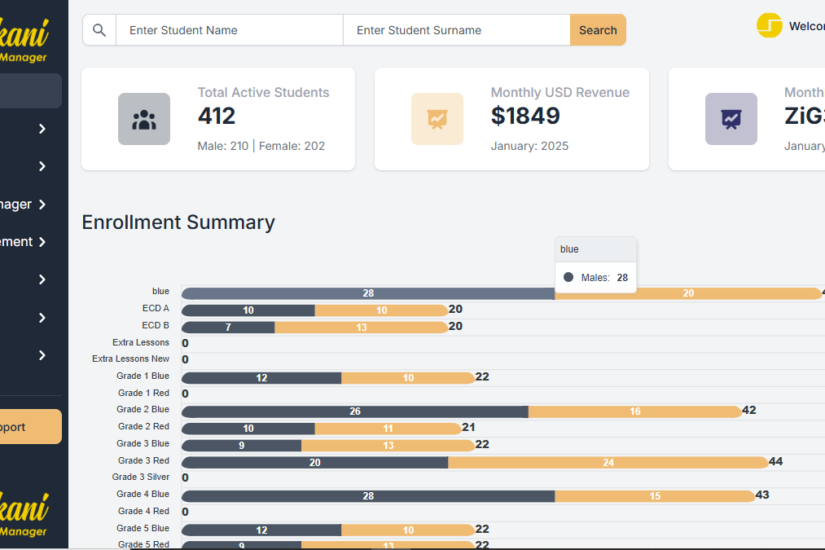
For schools looking to modernize their processes, Sekani School Management Software provides a comprehensive solution for digital report cards.
With Sekani, you can:
- Generate accurate, professional-grade reports quickly.
- Eliminate errors through automated calculations.
- Reduce operational costs by going paperless.
- Share reports instantly and securely with parents.
Get Started Today!
Request a Demo and discover how Sekani can help your school save time and resources while delivering exceptional results.